|

|
|
|
|
|
|
|
|
|
|
|
|
|
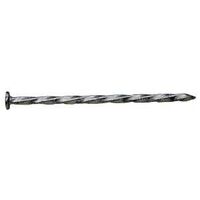
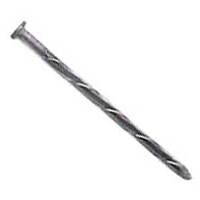
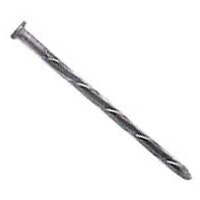
Decking nails are used for patio and deck construction and a wide variety of exterior applications. The PRO-FIT? Decking category includes both spiral and ring shank nails for ease of penetration and optimum holding power.
|
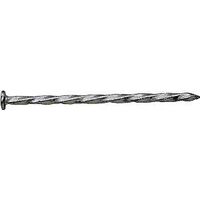
Decking nails are used for patio and deck construction and a wide variety of exterior applications. The PRO-FIT? Decking category includes both spiral and ring shank nails for ease of penetration and optimum holding power.
|
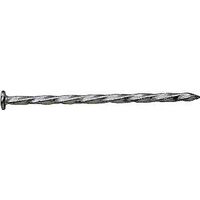
Decking nails are used for patio and deck construction and a wide variety of exterior applications. The PRO-FIT? Decking category includes both spiral and ring shank nails for ease of penetration and optimum holding power.
|
|
|
|
|
|
|
|
|
|
|
|
|
|
|
|
|
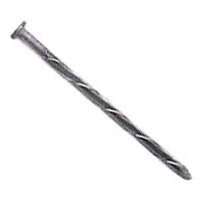
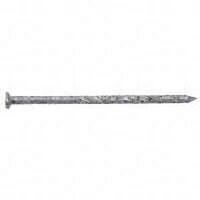
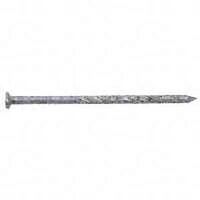
Decking nails are used for patio and deck construction and a wide variety of exterior applications. The PRO-FIT? Decking category includes both spiral and ring shank nails for ease of penetration and optimum holding power.
|
Decking nails are used for patio and deck construction and a wide variety of exterior applications. The PRO-FIT? Decking category includes both spiral and ring shank nails for ease of penetration and optimum holding power.
|
Decking nails are used for patio and deck construction and a wide variety of exterior applications. The PRO-FIT? Decking category includes both spiral and ring shank nails for ease of penetration and optimum holding power.
|
|
|
|
|
|
|
|
|
|
|
|
|
|
|
|
|
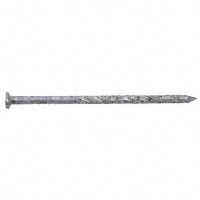
These nails are made from stiffer stock steel so the shanks can be smaller in diameter to help reduce wood splitting without bending. Spiral shanks provide exceptional holding power. Producers of treated lumber and many building codes specify hot-dipped galvanized or stainless steel nails because they have a rust-free life expectancy comparable to that of the treated lumber. Nails are double-dipped in molten zinc.
|
These nails are made from stiffer stock steel so the shanks can be smaller in diameter to help reduce wood splitting without bending. Ring shanks provide exceptional holding power. Producers of treated lumber and many building codes specify hot-dipped galvanized or stainless steel nails because they have a rust-free life expectancy comparable to that of the treated lumber. Nails are double-dipped in molten zinc.
|
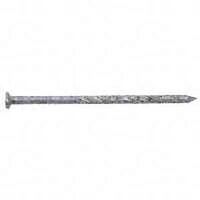
These nails are made from stiffer stock steel so the shanks can be smaller in diameter to help reduce wood splitting without bending. Spiral shanks provide exceptional holding power. Producers of treated lumber and many building codes specify hot-dipped galvanized or stainless steel nails because they have a rust-free life expectancy comparable to that of the treated lumber. Nails are double-dipped in molten zinc.
|
|
|
|
|
|
|
|
|
|
|
|
|
|
|
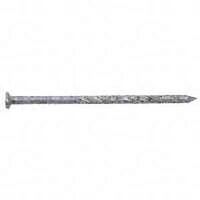
These nails are made from stiffer stock steel so the shanks can be smaller in diameter to help reduce wood splitting without bending. Spiral shanks provide exceptional holding power. Producers of treated lumber and many building codes specify hot-dipped galvanized or stainless steel nails because they have a rust-free life expectancy comparable to that of the treated lumber. Nails are double-dipped in molten zinc.
|
These nails are made from stiffer stock steel so the shanks can be smaller in diameter to help reduce wood splitting without bending. Spiral shanks provide exceptional holding power. Producers of treated lumber and many building codes specify hot-dipped galvanized or stainless steel nails because they have a rust-free life expectancy comparable to that of the treated lumber. Nails are double-dipped in molten zinc.
|
|
|
